
Innovations in AI have reshaped the modern technology landscape, impacting everything from healthcare to entertainment. For freelance writers, creativity is the cornerstone of success. This blog explores how AI innovations are revolutionizing the creative process, enhancing productivity, and opening new possibilities.
What’s different in this update: instead of treating AI as a long tool list, this version organizes innovations in AI by where they fit in a writing workflow (research → draft → edit → optimize → publish). That makes it easier to use AI intentionally, not randomly.
Everything I’ve shared here—and more—is in my book, available on Amazon. Click the link if you’re ready to take the next step.
Where innovations in AI Fit in a Freelance Writing Workflow
Most freelance writers get better results when they use innovations in AI in controlled passes:
- Research and inputs (summaries, source mining, note cleanup)
- Ideation and outlining (angles, headlines, structure options)
- Draft acceleration (rough drafts you can reshape)
- Editing and polishing (clarity, tone, consistency)
- Optimization and distribution (SEO checks, repurposing, scheduling)
The rule that keeps quality high: AI can speed up the steps, but you still own the decisions.
Innovations in AI for Freelance Writers
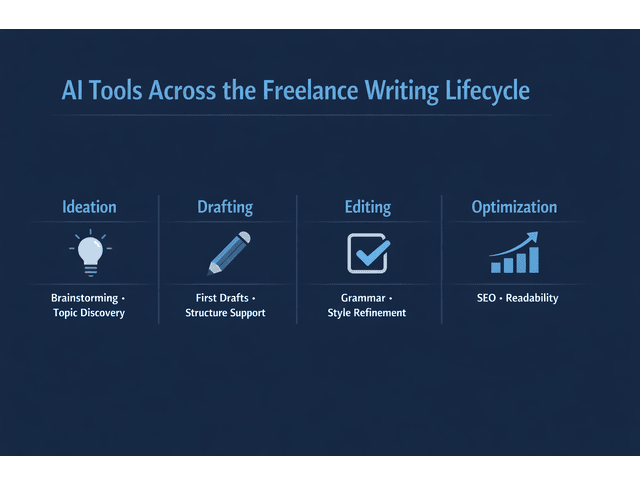
Freelance writing requires a mix of creativity, precision, and efficiency. AI tools empower writers by streamlining the writing process, making it easier to produce high-quality content. This increased control can boost your confidence and productivity.
Writing Assistants
Writing assistants like Grammarly, Hemingway Editor, and ProWritingAid have become indispensable for freelance writers. Grammarly offers real-time grammar and spell checks, providing context-aware suggestions to enhance your writing. It can catch even subtle errors that traditional spell-checkers might miss, ensuring your content is polished. Hemingway Editor helps you craft clear, concise sentences by highlighting complex and hard-to-read parts of your text. This tool is perfect for simplifying your prose and making it more readable. ProWritingAid goes a step further, offering in-depth style and grammar checks. It provides detailed reports on your writing, helping you maintain consistency across your work and improving your writing style.
Best use (so you don’t over-edit): run writing assistants after you’ve finished a full section, not sentence-by-sentence. That prevents “polishing before thinking” and keeps your voice intact.
AI Innovations in Idea Generation and Brainstorming Tools
AI-driven idea generators are invaluable when you’re stuck. HubSpot Blog Ideas Generator, Portent’s Content Idea Generator, and AnswerThePublic excel at sparking creativity. HubSpot’s tool delivers a week’s worth of blog ideas in seconds, quickly helping you overcome writer’s block. Portent’s generator adds humor to brainstorming, making it more enjoyable to develop new ideas. AnswerThePublic visualizes search queries, helping you understand your audience’s curiosity and providing insights into popular search terms to guide you in creating resonant content.
Workflow tip: use these tools to generate options, then choose based on client goals (traffic, leads, authority) instead of picking the “coolest” idea.
Content Research and Fact-Checking Tools
Producing credible content requires accurate research. Tools like Google Scholar, FactCheck.org, and Wolfram Alpha help ensure your content is well-informed. Google Scholar gives you access to a vast database of academic papers, allowing you to support your articles with reputable sources. FactCheck.org provides non-partisan fact-checking to verify the accuracy of your claims, which is essential for maintaining credibility in an era of misinformation. Wolfram Alpha uses curated data to answer complex queries, offering reliable information for your content. By utilizing these tools, you can produce both accurate and authoritative writing.
Using AI tools in your freelance writing can significantly increase productivity and improve the quality of your work. A Grammarly survey found that users experienced a 76% increase in writing efficiency. ProWritingAid’s detailed analysis can cut editing time, giving you more time to concentrate on the creative aspects of writing.
AI innovations are transforming how freelance writers work, providing powerful tools that enhance creativity, accuracy, and efficiency. Embrace these AI innovations to elevate your writing and stay ahead in a competitive field.
Enhancing Creativity with AI Innovations
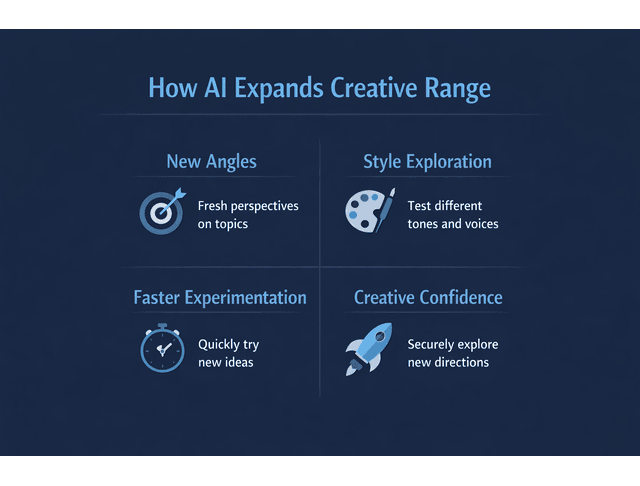
AI innovations are not just about efficiency—they can also supercharge your creativity. For instance, AI-driven idea generators can provide unique perspectives and fresh ideas, helping you overcome creative blocks. Similarly, style emulation tools can help you experiment with different writing styles, fostering creativity and versatility in your work.
Overcoming Writer’s Block
Writer’s block can halt even the most seasoned writers. AI-generated prompts and real-time feedback can help you break through this creative barrier. For instance, tools like Jasper offer endless writing prompts tailored to your genre and style, ensuring you never run out of ideas. Platforms like Sudowrite provide real-time suggestions, helping refine your thoughts and keep the creative juices flowing. According to a 2023 study by MIT, writers using AI tools reported a 40% increase in productivity, highlighting the significant impact of AI on overcoming writer’s block.
Practical guardrail: don’t accept AI suggestions line-for-line. Use them as “raw material,” then rewrite in your own rhythm so the final draft reads like you.
Exploring New Writing Styles
Experimenting with new styles can set you apart in the competitive world of freelance writing. Style emulation tools analyze the works of famous writers and help you mimic their unique styles. For instance, Sudowrite’s style transfer feature allows you to write in the style of your favorite authors, whether it’s the concise prose of Hemingway or the elaborate descriptions of Tolkien. Personalized writing suggestions adapt to your unique voice, enhancing your versatility and helping you explore new creative territories. Research from the Harvard Business Review shows that diversifying your writing style can increase reader engagement by up to 40%.
Best use: style tools work well for testing intros, hooks, and transitions. Use them to explore, then return to your own voice for the full piece.
Diversifying Content Types
Today’s content goes beyond text; AI-driven multimedia integration helps you create interactive, dynamic content. For example, Canva’s Magic Resize lets you quickly adapt graphics for different platforms, ensuring your visual content is optimized for each platform. Lumen5’s video creation platform uses AI to transform your blog posts into engaging videos complete with music and captions. Diversifying in this way keeps your audience engaged and can significantly extend your content’s reach. Incorporating these AI innovations into your creative process enhances productivity and opens new avenues for creativity and engagement.
AI Innovations in Editing and Proofreading
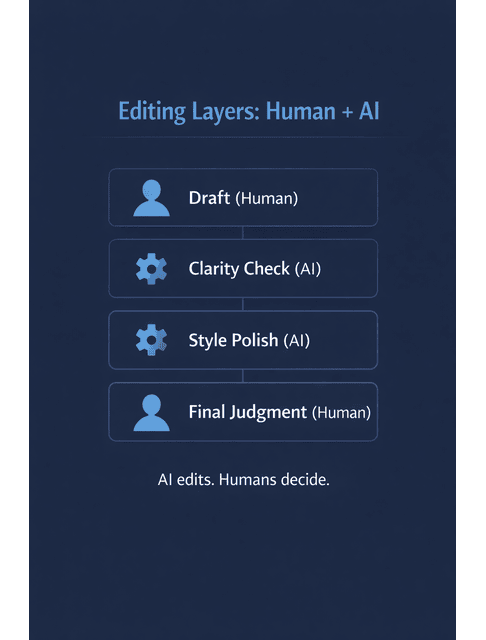
Editing and proofreading are vital to delivering polished work. Innovations in AI make these tasks more efficient and effective, saving you time and ensuring top-notch quality.
Automated Grammar and Spell Check
AI tools provide real-time corrections, catching errors you might overlook. Grammarly’s advanced algorithms provide contextual understanding, ensuring your writing is correct, clear, and concise. Studies show that Grammarly improves writing quality by 70% compared to unaided writing. With Grammarly, you can effortlessly enhance the clarity and precision of your work.
Style and Tone Adjustments
Consistent style and tone are crucial for engaging your audience. AI tools such as ProWritingAid and Hemingway Editor help you achieve this by offering thorough consistency checks and tailored recommendations. ProWritingAid provides detailed analysis and feedback, helping you adjust your style for different audiences. Hemingway Editor identifies complex sentences, making your writing more precise and accessible. These tools ensure your content connects with your readers and enhances its impact.
Client-safe approach: lock the client’s tone rules first (brand voice notes, examples, banned phrases). Then use AI tools to enforce the rules, not invent them.
Plagiarism Detection
Protecting your work from plagiarism is crucial. Tools like Turnitin and Copyscape help you ensure originality and safeguard your reputation. Turnitin’s extensive database checks your content against billions of web pages, academic papers, and publications, providing a detailed plagiarism report. Copyscape offers similar protection by scanning the web for duplicate content. Using these tools, you can maintain the integrity of your work and avoid potential legal issues.
By leveraging AI innovations in editing and proofreading, you can produce high-quality, original content that engages and impresses your readers.
AI Innovations in Content Optimization
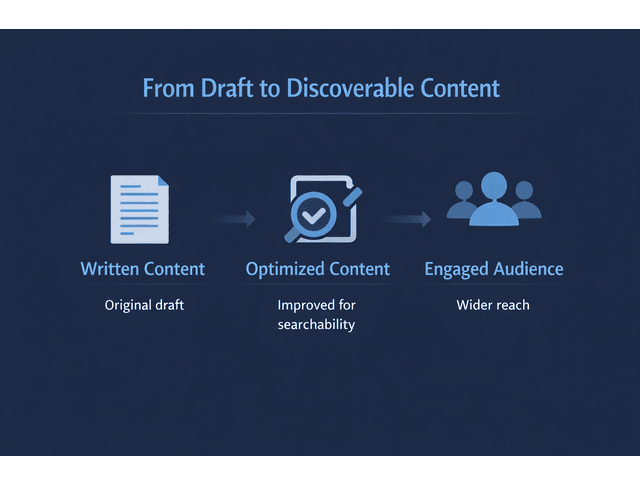
Achieving success requires optimizing your content for both search engines and readers.
SEO Tools and Techniques
AI innovations in keyword research tools like Ahrefs and SEMrush help you identify high-performing keywords. These tools analyze search volume, competition, and trends to help you target the right keywords. For example, Ahrefs found that pages ranking in the top 10 results for a keyword average 1,447 words. On-page SEO analysis from these tools ensures your content is search-engine-friendly, improving your rankings and driving more traffic to your site. Research from Backlinko reveals that on-page SEO, including keyword usage and content optimization, significantly impacts search rankings.
Important nuance: word count is not a target by itself. Use SEO tools to confirm coverage and intent match, then write only what the reader needs.
Readability and Engagement Enhancements
Tools like Readable and Hemingway Editor help you create accessible content. The Nielsen Norman Group found that users usually leave a webpage within 10-20 seconds if the content isn’t engaging. Ensuring your content is readable keeps your audience interested. Platforms like Google Analytics provide engagement analytics, offering insights into how readers interact with your content. For example, Google Analytics can highlight pages with the highest bounce rates, helping you pinpoint areas that need improved readability or engagement strategies.
Social Media Integration
AI-driven social media tools like Hootsuite and Buffer analyze audience behavior to suggest content ideas and automate posting schedules. By recommending the best times to post, these tools ensure maximum engagement. A Buffer study shows that businesses posting at optimal times experience a 192% increase in clicks. These tools help you maintain a consistent online presence efficiently, saving time and expanding your reach.
Innovations in AI are transforming content optimization, making it easier for you to create impactful, engaging, and well-optimized content. Embrace these AI innovations to stay ahead in the competitive digital landscape.
A Simple “AI Stack” Map (So You Don’t Collect Tools)
[If you want innovations in AI to actually improve output (not just add tabs), keep your stack small:
- Research: Google Scholar + one summarizer (notes only)
- Ideation: one idea generator + audience query tool
- Drafting: one drafting assistant (outline-first)
- Editing: Grammarly or ProWritingAid + Hemingway (optional)
- Originality: Copyscape/Turnitin when needed
- Optimization: Ahrefs/SEMrush (or a lightweight alternative)
The goal is not “more AI.” The goal is fewer bottlenecks.
Case Studies and Success Stories: Innovations in AI for Freelance Writers
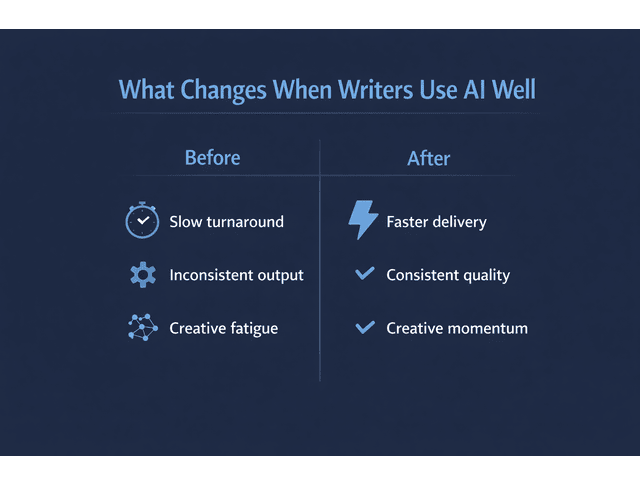
Real-world examples illustrate the power of AI in freelance writing, showcasing how AI innovations have transformed the industry.
Freelance Writers Leveraging AI Innovations
Many freelance writers have seen remarkable improvements in productivity and content quality, especially when they intentionally build an AI freelance writing toolkit into their daily workflow. For instance, using Jasper for brainstorming can reduce the time spent generating ideas. This tool provides endless prompts and real-time suggestions, helping you overcome writer’s block quickly. Writers who use AI tools like Grammarly and ProWritingAid can produce more daily content while maintaining high-quality standards. By leveraging these AI innovations, you can streamline your workflow and free up more time for creative pursuits and client engagement.
Make this measurable: track time spent on research, outlining, drafting, and editing before AI and after AI. If AI saves time but increases revision loops, adjust where you use it.
Real-World Examples of AI in Creative Projects
Innovative content formats, such as interactive blogs and AI-generated visuals, have seen increased engagement. For example, companies using AI-driven content have reported increased audience engagement metrics. Tools like Lumen5, which transform written content into engaging videos, have helped businesses increase their video content output. Additionally, AI-powered platforms like Canva enable freelance writers to create stunning visuals with ease, enhancing the overall appeal of their work. These examples demonstrate how AI can elevate your content, making it more dynamic and engaging for your audience.
Challenges and Ethical Considerations of AI Innovations
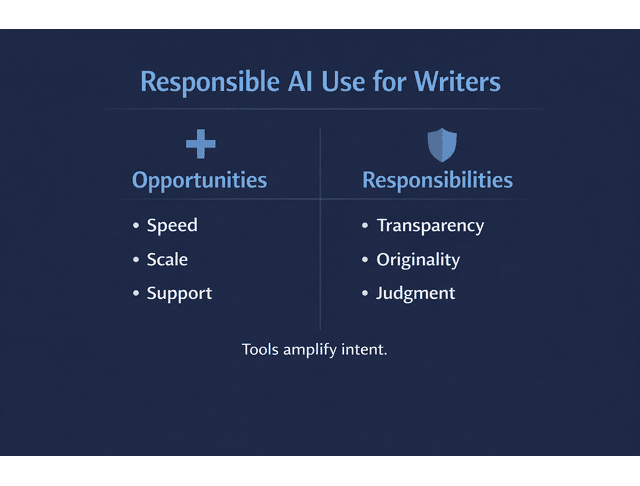
Despite the benefits, AI innovations come with challenges and ethical concerns.
Balancing Quality Control and Human Touch
Balancing AI and human creativity is crucial. AI can enhance efficiency and provide valuable insights, but the human touch ensures authenticity and emotional connection with your audience. For example, while AI tools can generate content quickly, they might need to catch up on the nuances and personal experiences that make your writing unique. Thus, using AI as a supplement rather than a replacement for your creative process is essential.
Ethical Implications
Transparency in AI-generated content is crucial. Informing your audience about AI involvement helps maintain their trust. For example, if you use AI to generate parts of your content, you should disclose this to your readers. Also, you must appreciate copyright and intellectual property rights to avoid legal issues. Use AI tools responsibly to ensure your content is original or properly credited.
Client-safe baseline:
- Don’t paste sensitive client data into open tools
- Fact-check claims and sources
- Avoid publishing anything you didn’t review line-by-line
- Follow client policies on AI disclosure when applicable
Future Trends and Developments
AI capabilities continually evolve, and staying up to date with the latest trends keeps you competitive. The future of AI in freelance writing promises exciting advancements, such as more sophisticated writing assistants and enhanced content personalization. For example, AI innovations are progressing toward generating highly personalized content tailored to individual reader preferences. This trend highlights the importance of incorporating AI into your workflow while preserving your unique voice and creativity.
Addressing these challenges and ethical considerations can help you harness the power of AI innovations to enhance your freelance writing without compromising your integrity or creativity.
Final Thoughts
AI innovations transform the creative landscape by providing tools that boost productivity, creativity, and content quality. By embracing these advancements, you can elevate your work, seize new opportunities, and stay competitive in the freelance writing field. The future of AI in creative writing looks promising, with ongoing advancements set to reshape how we write and engage with our audiences.
Ready to turn those ideas into a repeatable writing system you can actually use? Explore practical guides, workflows, and real-world examples that show how to apply AI to your creative work—without losing your voice.
Frequently Asked Questions About Innovations in AI
AI innovations automate routine tasks like grammar checks, outlines, and basic drafts, so freelance writers can spend more time on strategy, research, and creative thinking. Many writers now use AI as a first-pass assistant and then refine the output with their own voice and expertise.
Popular tools include AI writing assistants for drafting and brainstorming, grammar tools such as Grammarly and ProWritingAid, research tools such as AI search and summarizers, and SEO platforms such as Ahrefs or SEMrush to optimize content. The “best” stack depends on your niche and workflow.
Yes. Studies and user reports show that AI tools can improve clarity, structure, and correctness when used thoughtfully. Tools that flag grammar, style issues, and weak structure help writers spot problems faster and iterate toward stronger drafts—especially when humans still make the final decisions.
Current evidence suggests AI will change how writers work rather than replace them outright. AI excels at fast drafting, summarizing, and pattern recognition, but it still struggles with nuance, lived experience, and brand-specific storytelling. Freelancers who learn to direct and edit AI outputs are positioned to stay in demand.
Use AI as a support tool, not a hidden ghostwriter: fact-check outputs, avoid copying training data verbatim, protect client confidentiality, and be transparent when AI significantly contributes to your work. Following emerging best-practice guidelines from authors and education groups helps you stay on the right side of ethics and client trust.

Florence De Borja is a freelance writer, content strategist, and author with 14+ years of writing experience and a 15-year background in IT and software development. She creates clear, practical content on AI, SaaS, business, digital marketing, real estate, and wellness, with a focus on helping freelancers use AI to work calmer and scale smarter. On her blog, AI Freelancer, she shares systems, workflows, and AI-powered strategies for building a sustainable solo business.